Theatre Tax Relief Cashflow Loans
We offer loans to support non-profit theatres waiting for Theatre Tax Relief claims to be paid – so you can focus on strategic objectives rather than short-term cash management.
We offer loans to support non-profit theatres waiting for Theatre Tax Relief claims to be paid – so you can focus on strategic objectives rather than short-term cash management.
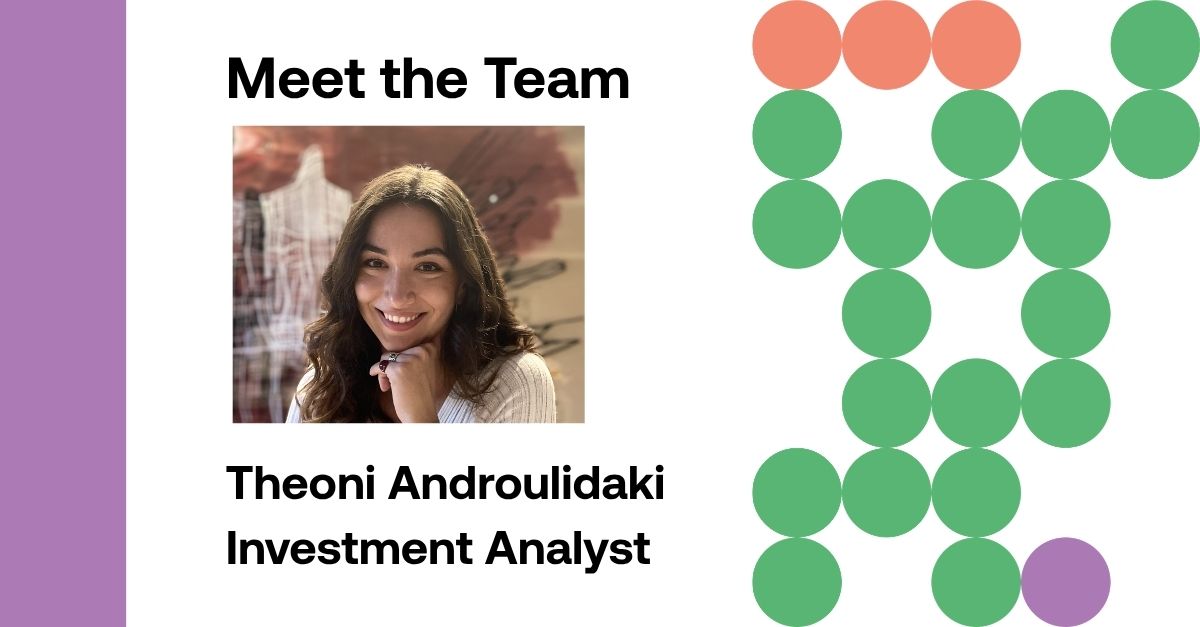
In the second of our new Meet the Team series, we meet Theoni Androulidaki, Figurative's Investment Analyst, to learn about her background and work.
Welcome to the second of our Meet the Figurative Team series – a Q&A offering a closer look at some of the brilliant people behind our work.
Theoni began her career in asset management while completing an undergraduate degree in Business Management at the University of Bath, before pursuing postgraduate studies in History of Art at the Courtauld Institute of Art. She has since worked across both the non-profit and commercial sides of the arts sector, including roles in commercial galleries and consultancy work supporting corporate partnerships with museums and other arts organisations. These experiences have shaped her interest in how capital and cultural institutions can align in ways that are resilient, mutually beneficial, and suited to the evolving realities of the sector.
A: As an Investment Analyst, I assess and progress funding opportunities for arts, culture, and heritage organisations across the UK. In practice, this means working with organisations from their first enquiry through to a detailed assessment process, where we look at an organisation’s finances, governance and social impact to understand whether a loan is genuinely affordable and sustainable for them. That work feeds into an investment application presented to our Investment Committee – our decision-making panel. What I find most compelling about the work are the brilliant ideas arts organisations bring – the ways they’re thinking about diversifying their income and building sustainability. My job is to understand those ideas, to help find the best way finance can support them and determine whether debt finance is the right fit.
A: The team brings an interdisciplinary background spanning arts, finance, and beyond, which means financial figures are always paired with knowledge of the sector and its challenges. This means we consider purpose and impact to have the same gravitas as the financials. We also promote peer learning – understanding that many of these organisations face similar situations, we try to foster a wider network where insights can be shared, which is why we publish our case studies online.
A: Something genuine – an organisation that knows who they are, what they’re trying to do, and where the finance fits into that. And the people matter a lot. When a team is honest about their challenges as well as their strengths, and a board is engaged and understands its role, that tells you a lot about whether an organisation is in a good place to take on repayable finance and make it work.
A: That it’s a liability. Loan finance can work well when you need capital now to unlock future opportunities. As the funding landscape has changed, arts and culture organisations have started thinking differently – diversifying their income streams and moving away from reliance on a single funder. As that mindset shifts, loan finance is increasingly being welcomed as a tool to unlock those opportunities.
A: Hearing first-hand about the work arts organisations are doing and the ways they’re thinking about the future. We often hear about the challenges facing the sector, so getting that direct window into the ideas and ambitions of these organisations puts things in perspective. It’s a constant reminder of why this work matters and why I wanted to be in this position.
A: It’s summer so the university shows are up! I recently visited the Architectural Association student exhibition and it felt so refreshing to see the work – students imagining new futures and solutions for the challenges of this world, others taking a more personal approach to questions of space and identity, all while grounding their work in technical knowledge. It reminded me of the importance of infrastructure in impactful change.
Figurative is an independent charity working at the intersection of finance, impact, and the cultural and creative sector. Our social impact investment fund offers loans of £150k–£1m specifically designed for socially driven organisations.
You can reach out to Theoni via our investment team email investments@figurative.org.uk or find out more about our impact investment activities here.
View all Figurative staff on the Our People page.
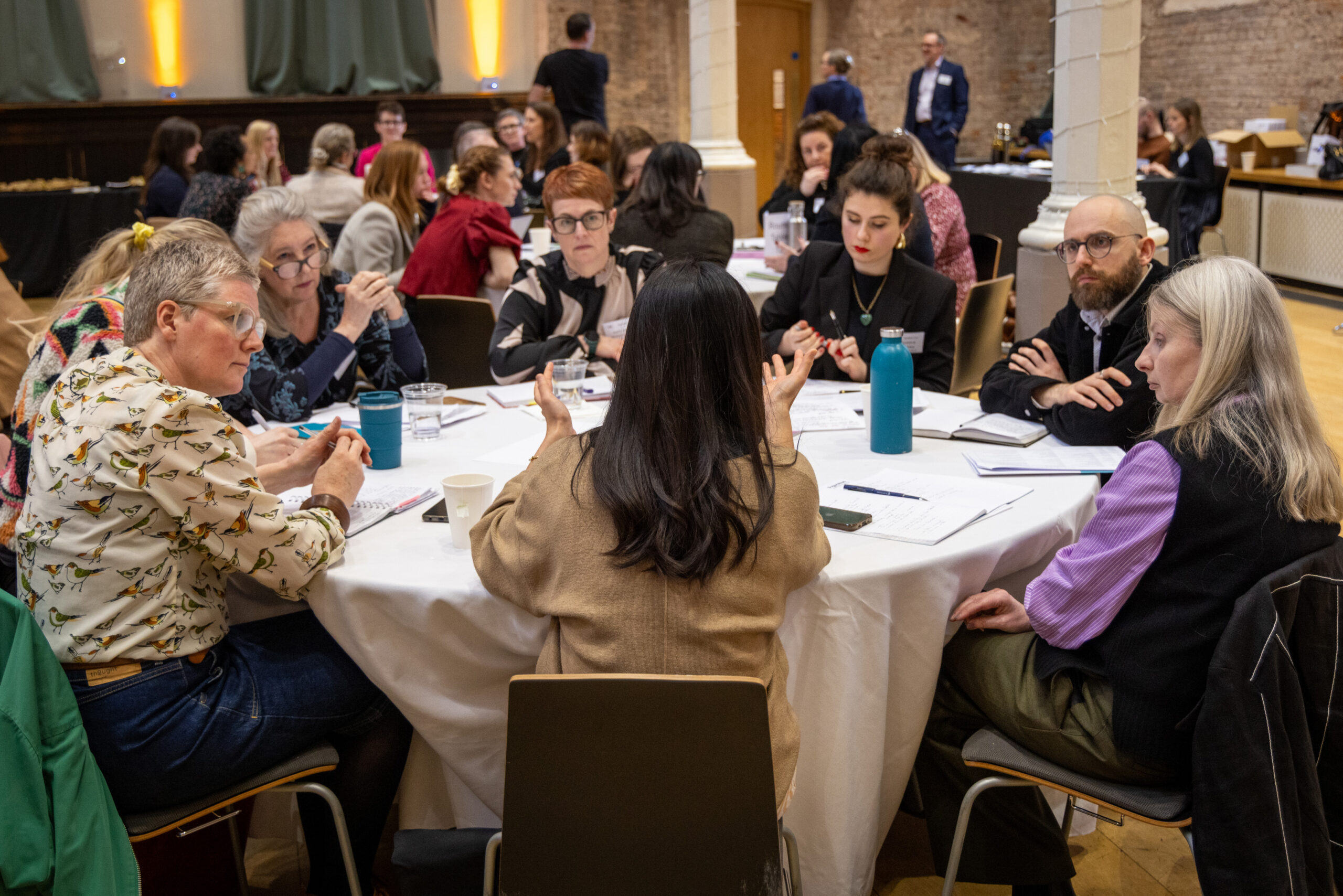
On 2 July, around 20 practitioners working to fund culture and creativity around the world met to discuss the strengths and challenges of impact measurement and outcomes-based funding models.
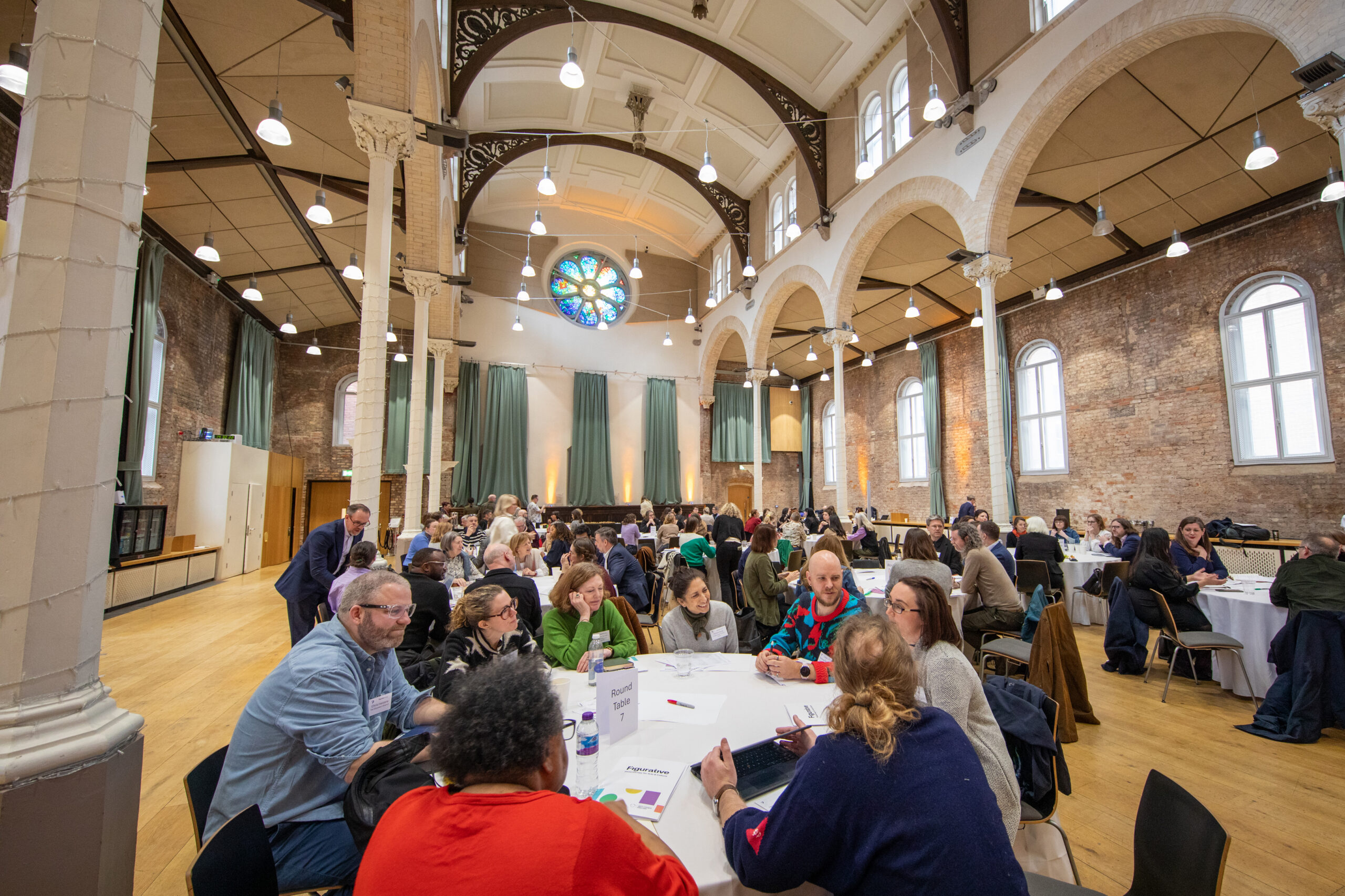
Seva Phillips introduces a new series encouraging candid conversations between practitioners financing culture in different parts of the world.

Repayable finance is sometimes characterised as a tool for organisations in distress, but the dominant story across our portfolio is one of growth and strategic ambition rather than survival.

Since launching the Arts Impact Fund in 2015, we've been tracking whether affordable, flexible repayable finance can help arts organisations become more resilient. Here's what we've learnt so far.