Looking for investment?
Our £16m Arts & Culture Impact Fund provides affordable repayable finance for socially driven arts, culture and heritage organisations registered and operating in the UK.

Our £16m Arts & Culture Impact Fund provides affordable repayable finance for socially driven arts, culture and heritage organisations registered and operating in the UK.
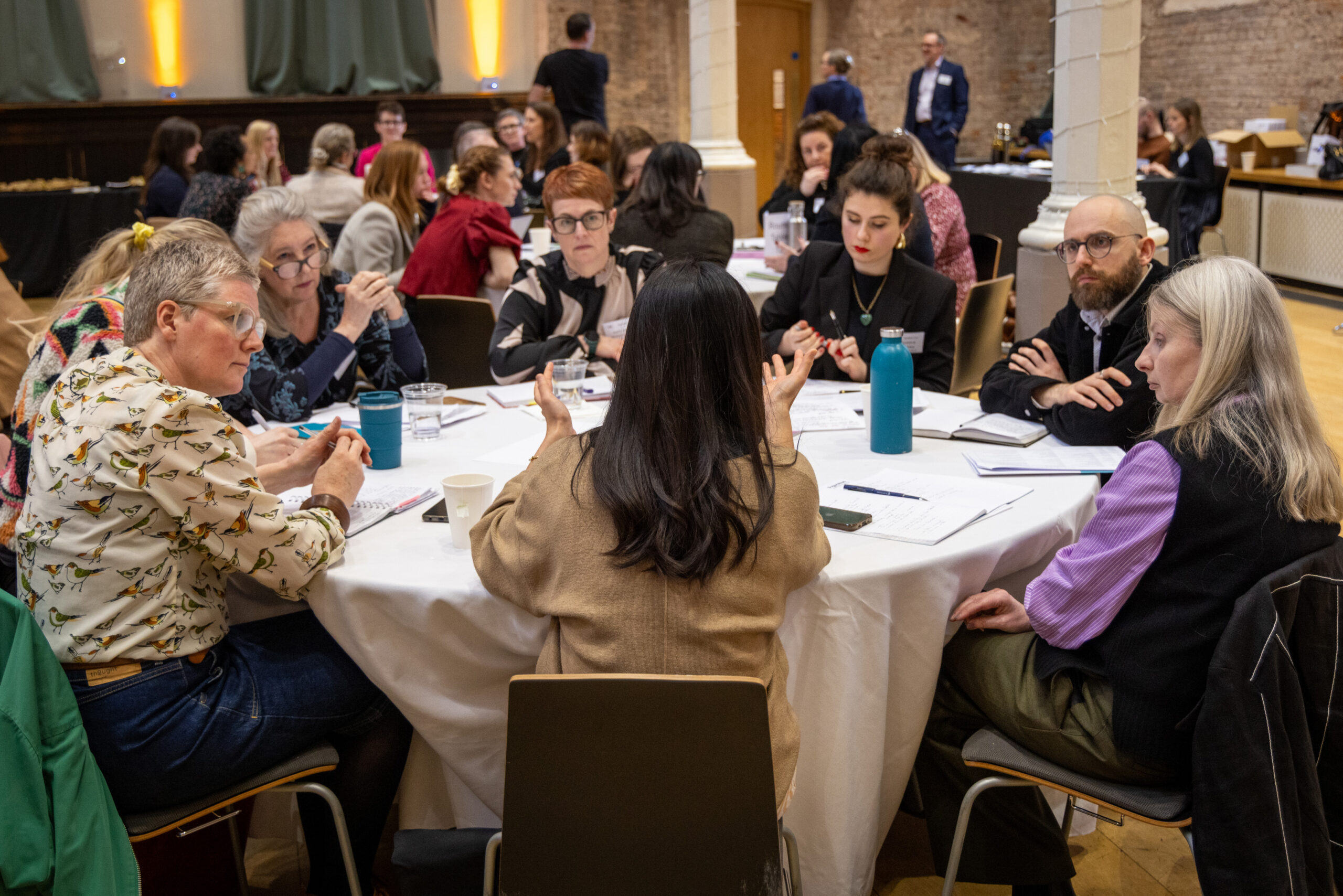
Image credits:
A photo from the Figurative conference, ‘The Power of Place: Cultural Philanthropy in 2026’. Photo by Chris Foster.
On 2 July, around 20 practitioners working to fund culture and creativity around the world met to discuss the strengths and challenges of impact measurement and outcomes-based funding models.
On 2 July we held the first session in our global peer learning series on impact, investment and innovation in the cultural and creative sectors, convened by Figurative and chaired by Florencia Giulio of Pulso. Around 20 practitioners joined from across Europe, the Americas and beyond: funders, social investors, intermediaries, advisors and researchers, all working in some way on mobilising more capital for culture and creativity. In keeping with the spirit of the sessions, this readout summarises what was exchanged and learned.
Florencia introduced the theme and the global landscape, highlighting the shifts taking place among funders and within the sector related to innovations in impact measurement and funding models. The session then took a deep-dive into outcomes-based grantmaking in Latin America and Figurative’s approach to fostering an impact management culture amongst the investees of its Cultural Impact Development Fund in England. One striking feature of the session was that it ran in two languages, with professional live interpretation between Spanish and English, creating an inclusive space for collaboration and intercultural exchange across languages, identities, practices, and regional ecosystems.
The first case study came from Fundación SURA, a major corporate foundation working across social innovation, education and culture, with support from Latimpacto, the leading regional network of impact investors, with expertise in impact measurement. Cultura Latinoamérica is a grant programme launched in 2024 that funds binational partnerships between non-profit impact-led cultural organisations across Latin America. The call seeks to promote safe spaces for reflection and action on the sustainability and long-term development of cultural organisations through initiatives focused on artistic creation, community engagement, and educational practices. Organisations apply in pairs from two different countries, and 15 selected initiatives receive up to USD 100,000 alongside networking spaces and capacity-building (on communication, impact measurement, and financial sustainability) throughout the annual implementation of the project.
What makes the programme innovative for the region is the link between payments to the achievement of agreed-upon results, and the end-to-end impact measurement process. Funding is released in three instalments: 40% on signing of the agreement; 40% upon completion of 50% of the proposed project, subject to approval of an interim report; and, the final 20% on submission and approval of the final report, which includes evidence of the impact achieved – from audiences reached to jobs directly created – alongside narrative and financial reporting.
The presenters were candid about what this surfaces: the first edition generated insight not just into individual projects but also into the shape of the sector itself, including who applies, who leads these organisations, and how value flows through cultural supply chains into adjacent parts of the economy. They were equally candid about the challenges, particularly continuity once a funding cycle ends, and the persistent difficulty of getting art recognised as a means of social and economic transformation rather than a nice-to-have. A second edition is now underway across eight countries, with results due in July 2026. More information on this case study can be found in Deloitte Private’s 2025 Art & Finance report.
The second case was Figurative’s own. The Cultural Impact Development Fund, launched in 2018, made loans (between £25,000 and £150,000) to 10 cultural and creative organisations across England. Beyond using this finance to scale up investees’ purpose-led activities and develop new business models, the fund aimed to build an impact management culture: the capacity to embed monitoring and evaluation into an organisation and use the data gathered to learn, improve services and communicate with staff, service-users, audiences and funders. Figurative outlined this process with reference to one of the fund’s investees, InHouse Records, a record label using music education and production as a way of reducing reoffending rates in the criminal justice system.
The first step in developing an impact management culture was to ensure that every investee had a theory of change and framework for monitoring & evaluation (M&E), setting out what data was to be collected, by whom, from where and at what frequency. This work was delivered by the fund’s Impact Manager, a dedicated social impact professional whose role was made possible by the fund’s initial investors, Better Society Capital and the National Lottery Community Fund. The impact manager would also work with organisations to create a plan covering the period of the loan, which would set annual targets in relation to outputs, outcomes and impact management goals. This plan would serve as an anchor for subsequent reporting conversations and would enable both investor and investee to articulate what exactly had been achieved. And for a small subset of well-evidenced targets, the fund offers a financial incentive: meet your social impact targets at annual review and your interest rate falls, by 0.2% for partial achievement or 0.45% for full achievement, cumulative year on year.
The honest assessment shared in the session: organisations are engaged and are, on average, meeting or exceeding around three quarters of their qualifying targets. But with only 10 investments in the portfolio, and early feedback suggesting borrowers treat the discount as a welcome bonus rather than a motivator, it is genuinely unclear whether the incentive is driving the behaviour. These are mission-driven organisations that may well have pursued the same outcomes anyway. A larger sample is needed before drawing conclusions, which is partly why sharing the model with other practitioners matters.
The conversation between the cases turned up a comparison worth dwelling on: both models put risk-tolerant capital in upfront and tie money to evidence, one through grant instalments linked to deliverables, the other through debt with an interest rate that responds to impact performance. Rather than treating impact measurement as a compliance exercise, they invest in the systems and capabilities needed to generate meaningful evidence of culture’s multifaceted contributions to society. This evidence, in turn, helps translate the value of culture into a language communicable to a range of stakeholders, from investors to policymakers.
Both cases also demonstrate that outcomes-based finance requires more than innovative financial instruments. It also demands sustained investment in technical assistance by funders.
Finally, one of the most valuable aspects of the discussion was the presenters’ openness about uncertainty. Rather than presenting finished models, both initiatives are testing hypotheses about how capital can generate greater impact through arts and culture, offering valuable lessons for the field and investors.
We closed with a question we intend to keep asking: what should this community become, and how should it be run? Participants have been sent a short survey on exactly that, covering future themes, format, and how the initiative ought to be governed as it evolves. The candid answer is that this is a work in progress, and we see this as a genuine collective learning space drawing on a wide range of perspectives.
The next session takes place on 23 July and turns to loans and blended finance, featuring Cultura Capital, a partnership between the Secretariat of Culture of Nuevo León in Mexico and Banca Afirme, alongside cultural and creative sector lender Cultuur+Ondernemen. If you are working on, or seriously exploring, finance for the cultural and creative sectors, we would be glad to have you there. You can register here.
And if you have thoughts on any of this, including what a global community of practice in this field should look like, please email seva.phillips@figurative.org.uk.
Edited 21.07.26 to update speaker details for the 23 July peer learning session.
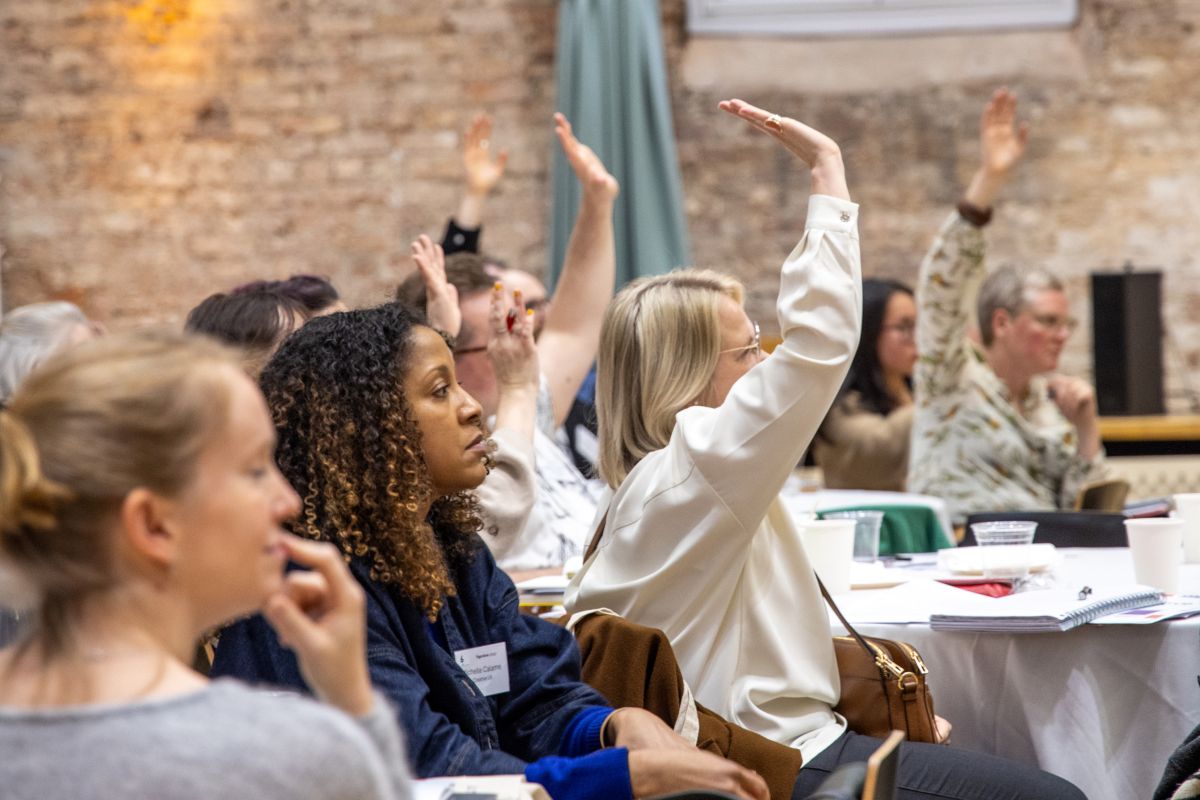
On 23 July, around 20 practitioners working to finance culture and creativity around the world met to compare two very different approaches to lending in the cultural and creative sectors.

Following earlier posts on financial resilience and how our investment has been used, we wanted to look squarely at what our money has pulled in alongside it.
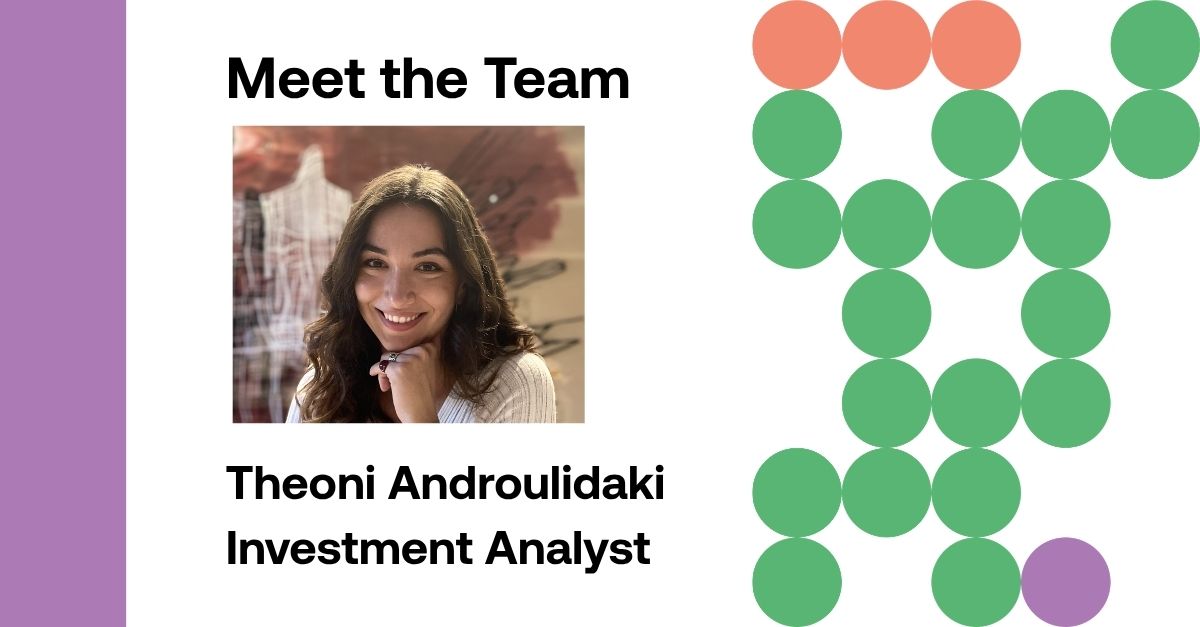
In the second of our new Meet the Team series, we meet Theoni Androulidaki, Figurative's Investment Analyst, to learn about her background and work.
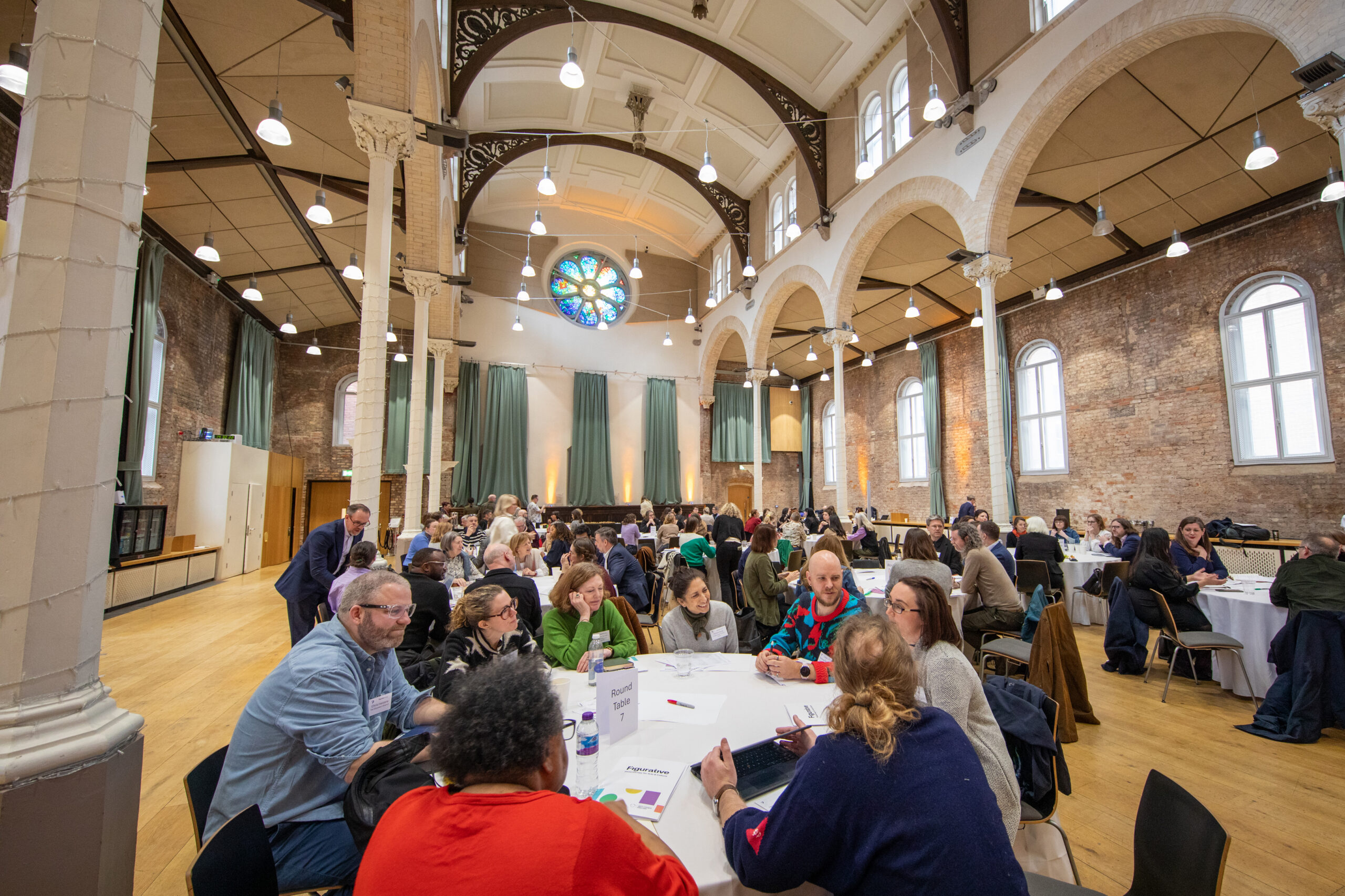
Seva Phillips introduces a new series encouraging candid conversations between practitioners financing culture in different parts of the world.