Looking for investment?
Our £16m Arts & Culture Impact Fund provides affordable repayable finance for socially driven arts, culture and heritage organisations registered and operating in the UK.
Our £16m Arts & Culture Impact Fund provides affordable repayable finance for socially driven arts, culture and heritage organisations registered and operating in the UK.
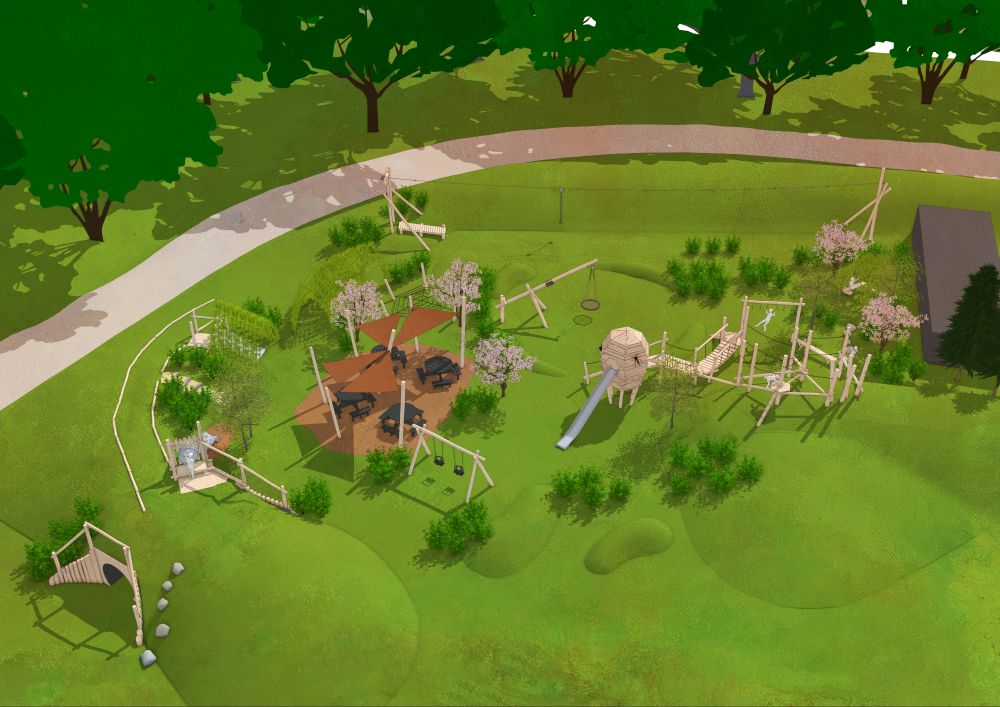
Images courtesy of The Food Museum.
The UK's only museum dedicated to food is using a loan to support the creation of an outdoor play area inspired by food, farming and nature, to better serve their visitors and improve their financial resilience.
Region
East of England
Discipline
Museum or Library or Archive
Investment size
£175,000
The Food Museum is the UK’s only museum dedicated to food. Based in Stowmarket, Suffolk, the charity has operated since 1967 across an 84-acre rural site that brings together historic buildings, gardens, farmland and visitor facilities to explore how food is grown, made and consumed.
The museum cares for a collection of more than 40,000 objects and 17 historic buildings, which it brings to life through an extensive public programme of exhibitions, festivals and events, year-round learning, volunteering and community engagement.
Its programme explores food heritage alongside contemporary themes such as sustainability, health, environment and social change, supporting audiences of all ages through formal learning, informal participation and hands-on experiences. Activities range from school workshops and self-directed visits to large-scale public events, venue hire and partnerships with cultural, academic and community organisations. It also runs an onsite café and retail shop.
Through this mix of heritage, education and participation, the museum positions food as a lens through which people can better understand society, culture and the environment, while offering a welcoming destination for families, schools and local communities.
The Food Museum sought a £175,000 unsecured loan to support the creation of an outdoor play area inspired by food, farming and nature. The project responded directly to visitor feedback: outdoor play was consistently the most requested addition to the site.
The play area was designed to transform an underutilised part of the museum grounds into a high-quality, family-focused attraction that would strengthen the museum’s overall offer. By increasing dwell time and encouraging repeat visits, the project was expected to support growth in earned income through admissions, memberships and events.
The loan built on earlier support from Figurative, which helped the museum secure a £15,000 Reach Fund grant to develop the design and costings.
“The Food Museum is a strong example of heritage as active stewardship. By using repayable finance to invest in a new outdoor play area, the museum is responding directly to visitor demand, increasing its income-generating potential, and keeping scarce grant funding focused on the care and repair of its historic site. It is a practical investment in long-term sustainability and helping more families connect with the museum’s wider educational mission.” – Laura Renaud-Studer, Figurative
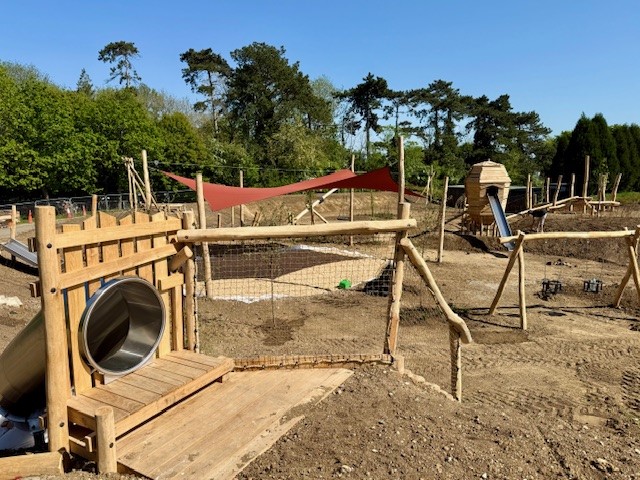
Work has begun on the new play area. Image courtesy of The Food Museum.
Figurative worked with the Food Museum to assess the financial case for the project and its alignment with the organisation’s wider strategy. Central to this was consideration of The Kitchen Project, a major, multi-million-pound capital campaign expected to transform the museum’s site. The Kitchen Project is anticipated to expand earned income opportunities, support new programmes of activity and exhibitions, and create further opportunities for partnerships and volunteering.
During the due diligence process, Figurative considered the associated forecast increases in visitor numbers, secondary spend and operating costs arising from both the new play area and The Kitchen Project, in the context of the museum’s wider business plan. Confidence in making the loan was supported by the organisation’s governance, financial management and track record of delivering capital projects, alongside scenario analysis that demonstrated the loan remained affordable even in the event of underperformance against projections. Before the loan could be released, the museum needed to confirm funding for The Kitchen Project. This funding has now been secured, and works have now started.
The Figurative team were impressed by the range of programmes delivered by the Food Museum, which makes active use of its collections, historic buildings and outdoor landscape. These include schools learning activities, supported volunteering opportunities to widen access to participation, and community programmes developed in response to local need. Our assessment focused on the museum’s schools learning programme to better understand the consistent and sustained engagement with pupils in the vicinity and further afield.
The programme provides school pupils aged five to 14 with hands-on, immersive learning experiences linked to the curriculum, combining self-directed visits with facilitated workshops exploring food production, food heritage and the relationship between food, environment and wellbeing. Sessions enable pupils to engage directly with the museum’s historic site, farmland and collections, supporting experiential learning outside the classroom. Alongside this, the museum offers opportunities for deeper engagement through volunteering and targeted community initiatives, extending access to those who may otherwise face barriers to participation.
The construction of the play area is underway and expected to be ready for the summer. The Kitchen Project is also progressing well. A rise in family membership has already been seen over the Easter holidays as visitors see the project developing on site. Figurative looks forward to seeing the completion of the project and the benefits it brings to the museum and its growing community.
“Securing impact investment in this way has allowed us to transform an unused part of our site into a new, exciting area that will enhance our visitor experience significantly whilst developing our organisation’s financial resilience. A play area has been a long sought after addition, which we have always been confident would help to increase our admissions and membership income. The process with Figurative helped to build this confidence further within the organisation and with our Board, that it was the correct decision, at the correct time. Although still in the build process, we are seeing an impact already – our family membership sales are up significantly.” – Samantha Prince, Deputy Director, Food Museum
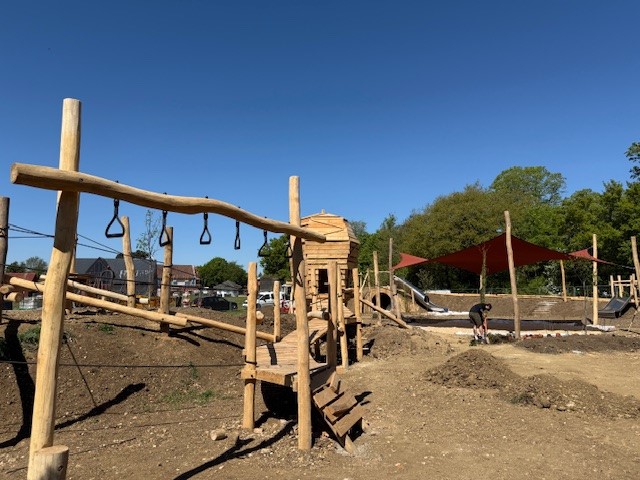
The new play area is expected to be completed in the summer of 2026. Image courtesy of The Food Museum.
Explore more inspiring projects from our portfolio and network.
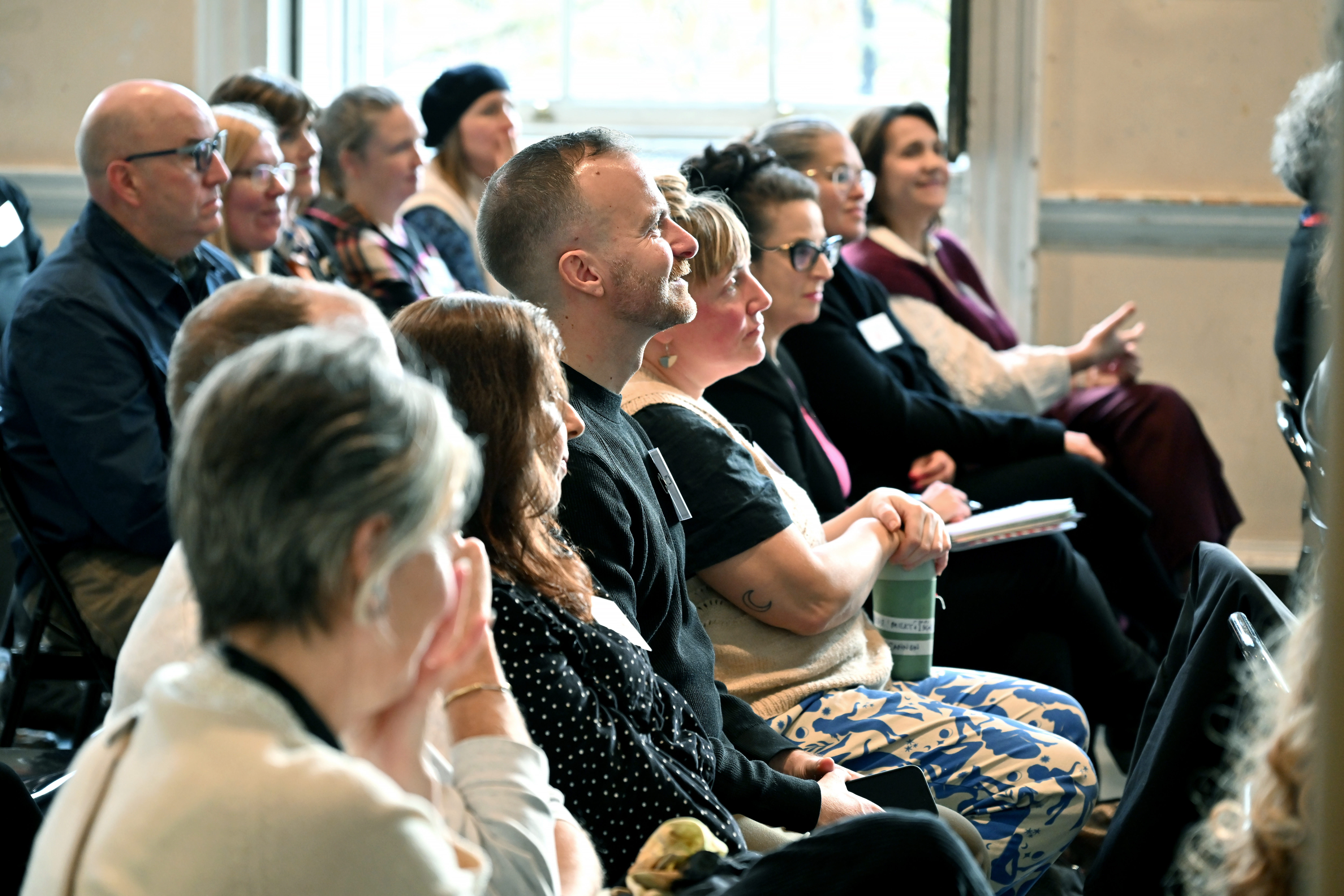
Watch our short film to hear directly from cultural and creative organisations including Music Venue Properties, Little Angel Theatre, and Creative Land Trust about their experience working with us.
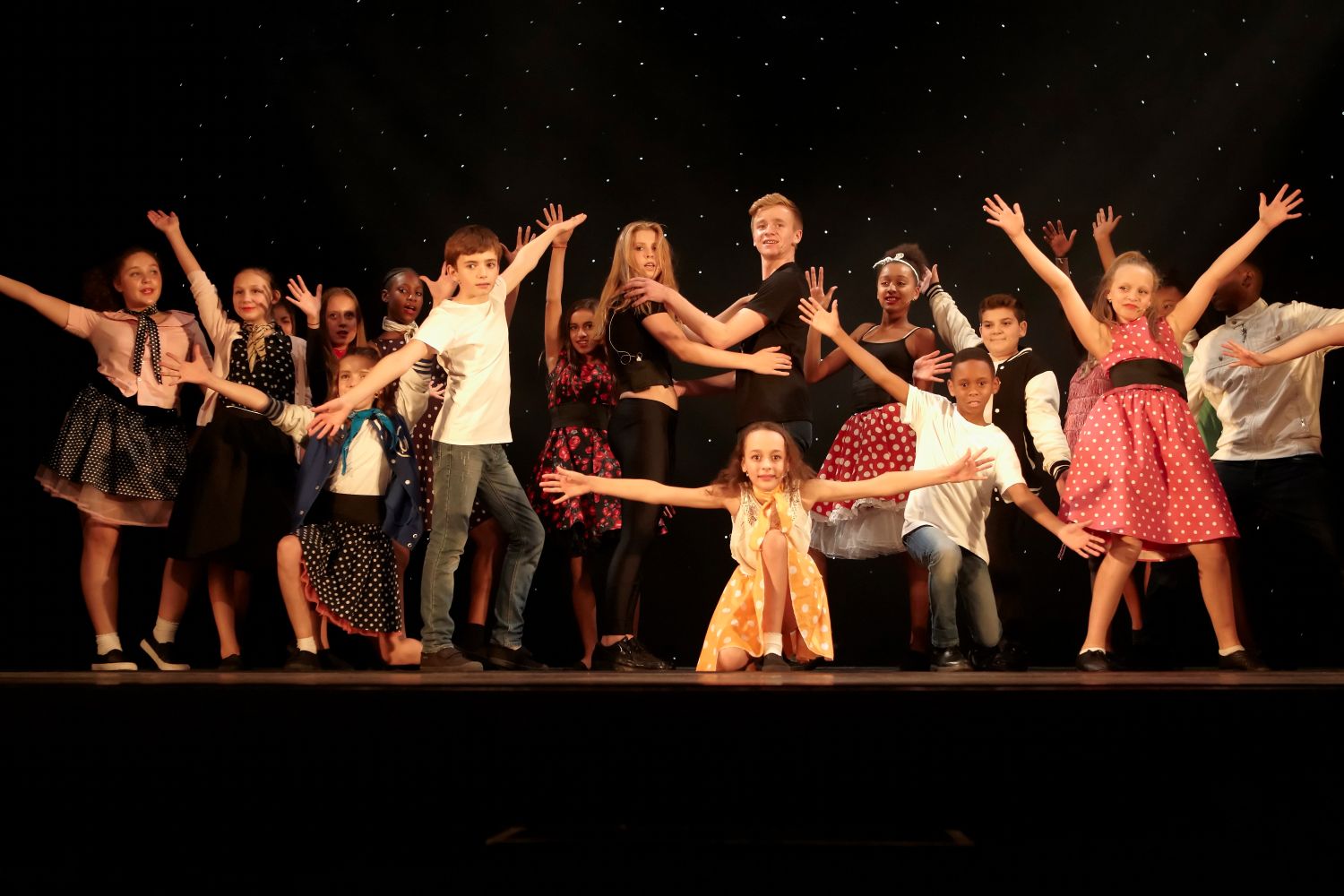
The performing arts organisation used a loan to strengthen its infrastructure, expand its award-winning network of children's drama schools and widen access to their programmes.
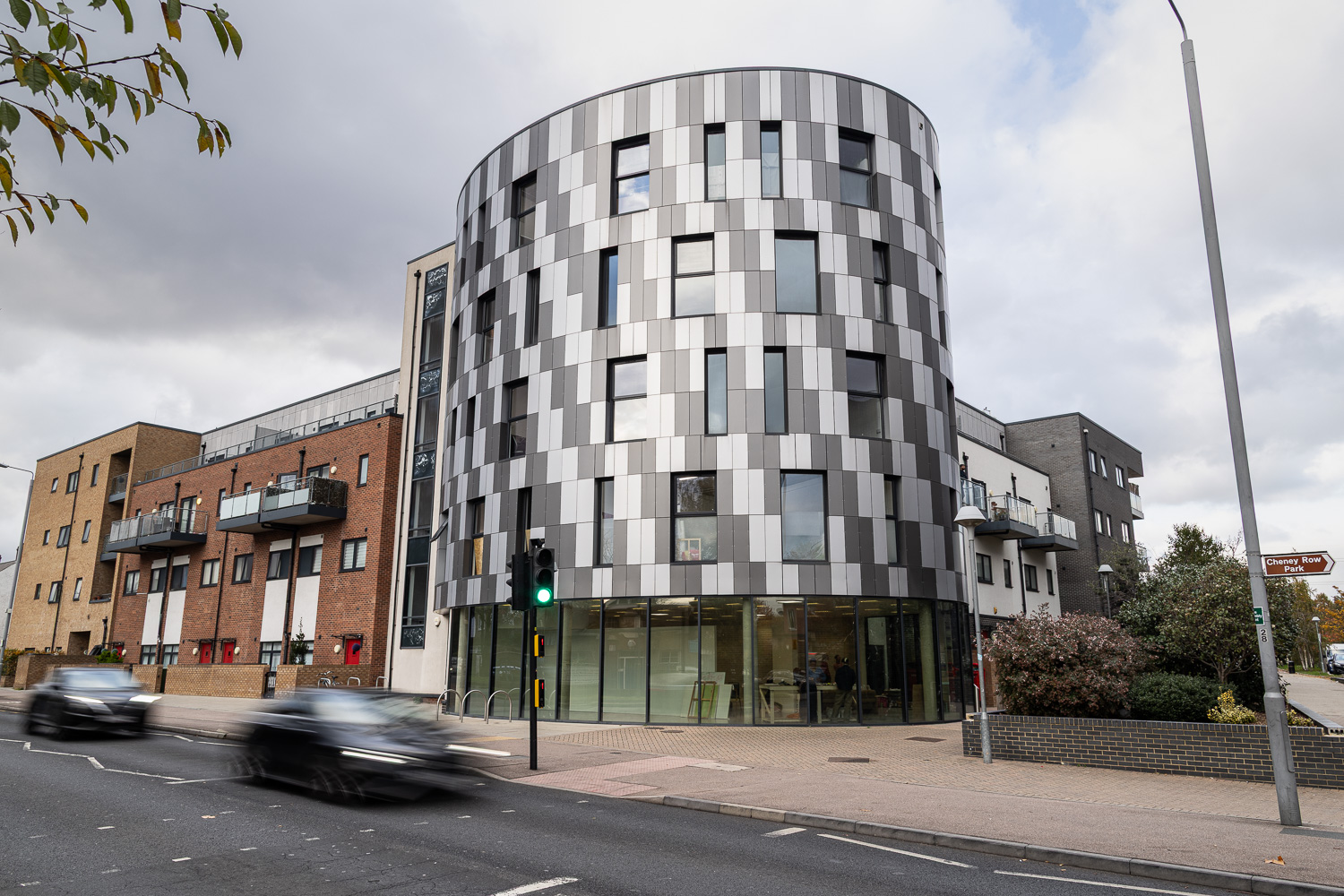
Acme sought a £500,000 loan in 2025 to support the acquisition and fit-out of a new studio building in Waltham Forest, Billet Road Studios. The property had been completed to shell-and-core standard but remained vacant due to limited demand for its original permitted use as office and ground-floor community space.
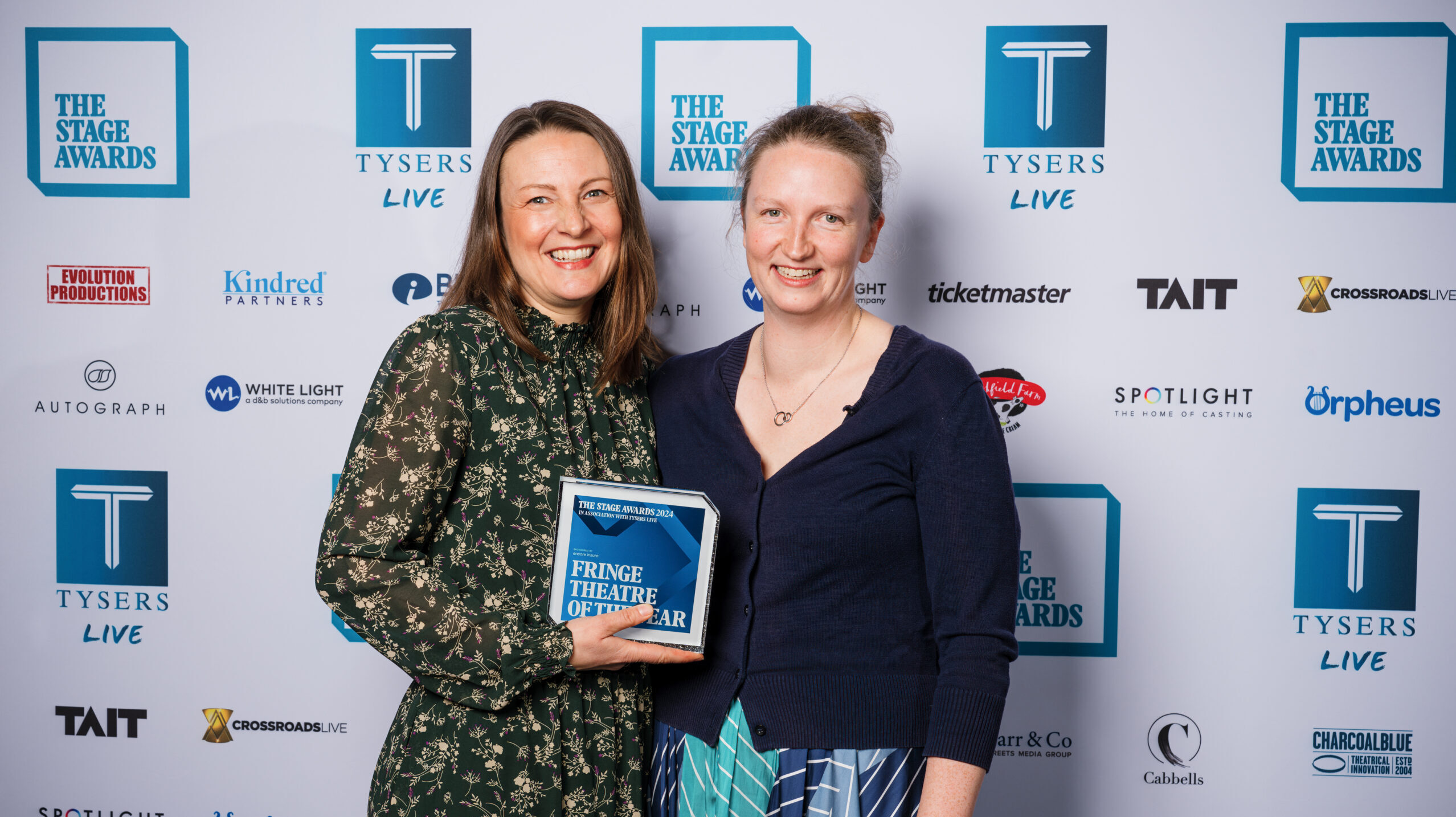
The celebrated children's puppetry theatre received a Theatre Tax Relief cash-flow loan from Figurative in summer 2024, before securing further investment via the Arts & Culture Impact Fund to expand its activities and services.